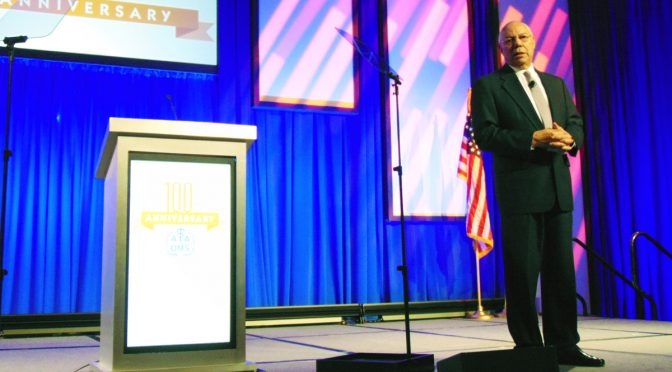
Last week I was in Chicago for Dental Tribune, to cover the annual gathering of the nation’s top oral and maxillofacial surgeons. We published three issues of our at-show newspaper, called “today” — the second issue of which was our “live” issue that included my on-site news reporting and photography. Here’s the cover — if you click on it you can see it bigger:
The official title of the event was the “100th Annual Meeting, Scientific Session and Exhibition of the American Association of Oral and Maxillofacial Surgeons (AAOMS).” That is quite a mouthful! This is a significant event in the dental profession, attracting thousands of DMDs. A DMD is a dentist who is also a medical doctor. These professionals do everything from extractions to implant placement to complex oral surgery cases. Colin Powell was the keynote speaker. Several thousand meeting attendees attended his talk. I wrote a brief article about his speech for Dental Tribune — link here. My meeting roundup article and photo gallery is here. The complete edition of the Day 2 live paper is available as a PDF here.
The dental event, which included educational sessions plus a three-day trade show, was held at McCormick Place. We stayed across the street at the brand new Hilton Garden Inn, which is in the same building as a Home2 Suites and a Hampton Inn.
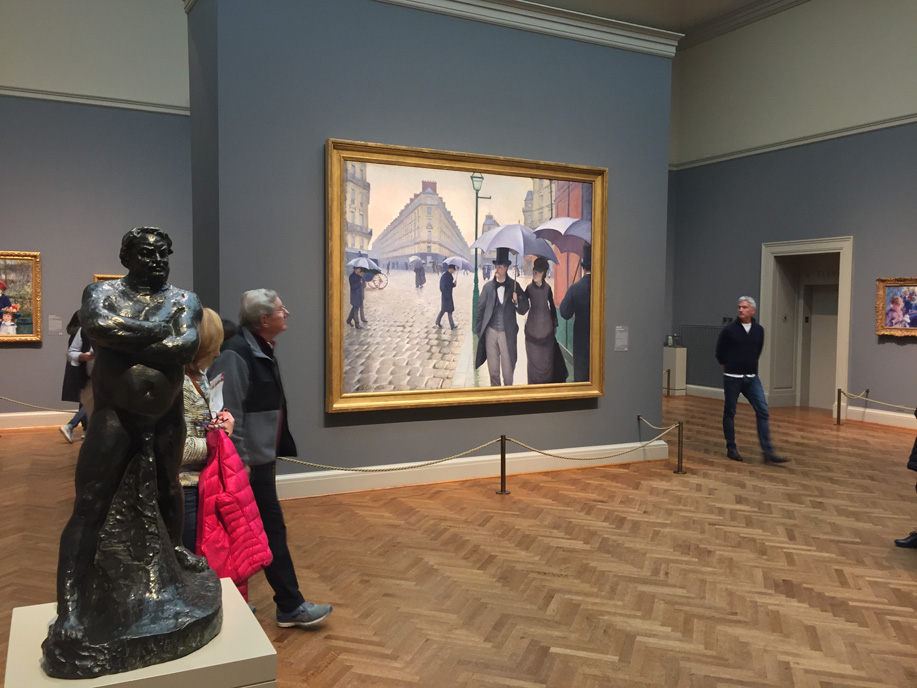
On one of the days I finished early, and I had time to make a brief visit to the Art Institute.
The Art Institute in Chicago. (Photo by Fred Michmershuizen)
Grant Wood’s ‘American Gothic’ — which depicts a father and his unmarried daughter. (Photo by Fred Michmershuizen)
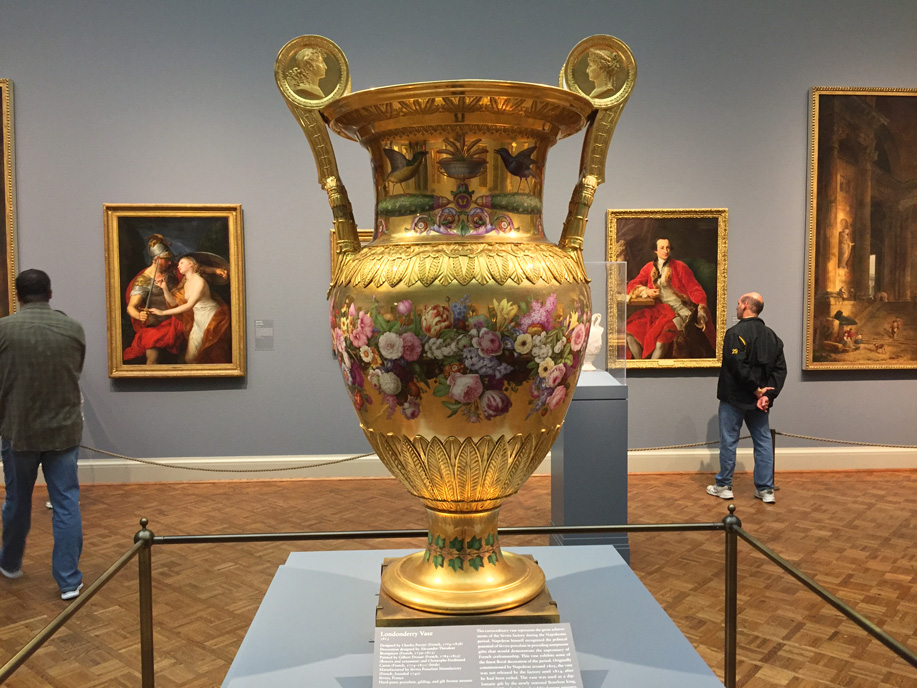
Napoleonic-era ‘Londonderry Vase’ at Art Institute in Chicago. (Photo by Fred Michmershuizen)
Here’s a view from 24th Street and First Avenue in Manhattan, looking west. On the right is New York University College of Dentistry. And in the distance, the tall skyscraper is the Metropolitan Life Insurance Company Tower — which was the tallest building in the world when it was erected in 1909!
What does a 15-year-old girl have to say about the United States Constitution? More than I could possibly have imagined, before attending the brilliant one-act play “What the Constitution Means to Me” tonight at the New York Theatre Workshop. It’s written and performed by Heidi Schreck, a woman in her 40s. The setting is an American Legion meeting, where, as a teenage girl, she debated about the document before a gathering of cigar-smoking old men.
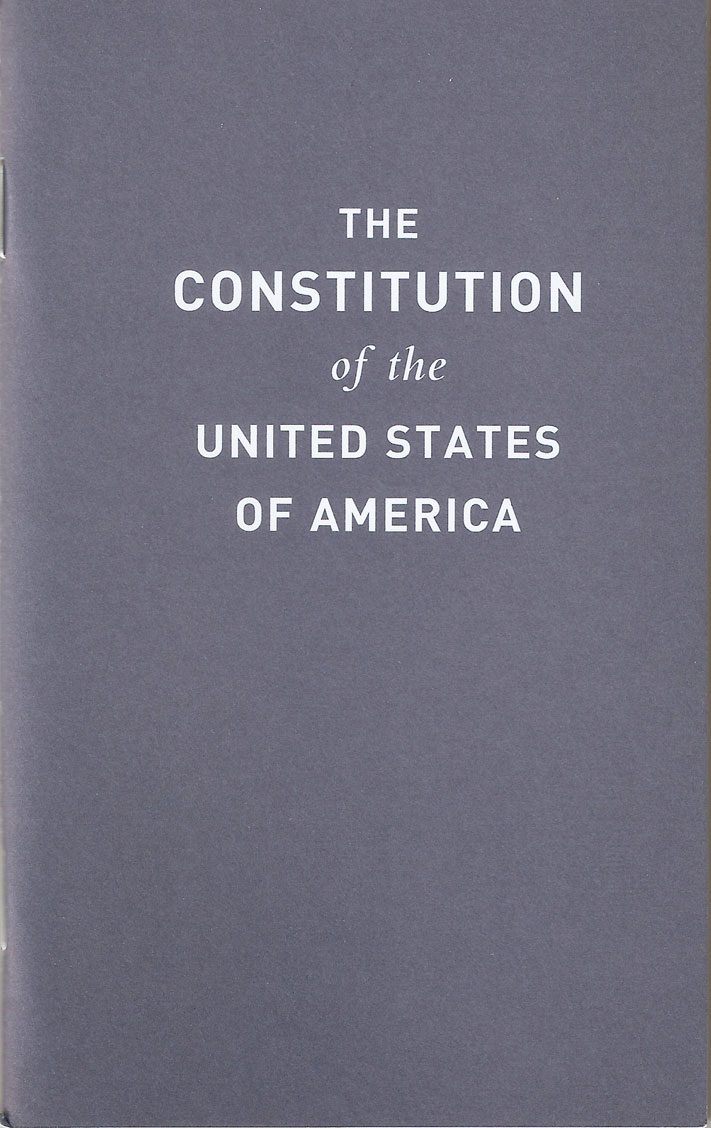
In telling her story, told from an unapologetically feminist perspective, the playwright channels her younger self, while at the same time reflecting upon two and a half decades of subsequent life experience and wisdom. She talks frankly about her own body and tells stories of her mother and grandmother. Toward the end of the presentation, Schreck is joined onstage by a genuine New York City high school student, with whom she engages in a live debate. That’s the portion of the evening featuring audience participation, when everyone receives a copy of the Constitution itself (my copy is pictured).
The play also features Mike Iveson of “Orange Is the New Black,” who offers a personal “reveal” of his own. Audio recordings of actual oral arguments from the Supreme Court bench are played, in which the voices of Antonin Scalia, Ruth Bader Ginsberg and others are heard.
I was genuinely moved by this thought-provoking and educational piece. In my view, if those 11 while male Republicans on the Senate Judiciary Committee were to see this, they might think twice before voting yes on Kavanaugh’s nomination to the Supreme Court. If you happen to live in New York City or if you are going to be visiting this fall, this is not to be missed. It’s playing until Oct. 21.
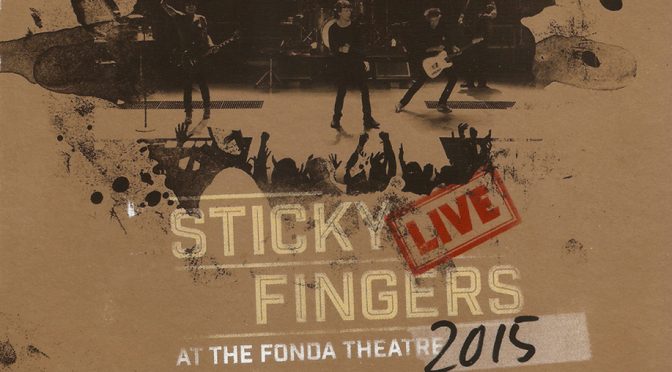
When the lads were on tour in 2015, they decided to perform an entire album in concert, and “Sticky Fingers Live At the Fonda Theater” documents this complete show — on both DVD and also a companion music CD.
Released in 1971, “Sticky Fingers” is one of the best albums the Stones ever put out. It has “Brown Sugar,” “Wild Horses” and Bitch” on it. It’s also the one featuring a close-up picture of a man’s crotch, complete with a working zipper! Back when people bought records, this was a really cool gimmick. Andy Warhol designed the cover, and I had always assumed it was Mick Jagger’s junk bulging out. But as we learn in some behind-the-scenes interviews on the DVD, it was actually a picture of a male model. In the interviews, two different guys claim to be the crotch-man. The world will never know.
Anyway, fast-forward to 2015, and the Stones are still touring — and they decide to perform this whole album in one show. For me, it’s a real pleasure to see the Stones play these songs in a smaller venue. They don’t go in order of the track listing on the album itself, but they do perform ALL the songs. There are many different kinds of songs, from hard rockers to slow blues and even some country songs. Many of the tracks on “Sticky Fingers” are not ones they usually play live. Some of my favorites on this particular concert DVD/CD set are “Sister Morphine,” “I Got the Blues” and “Can’t You Hear Me Knocking.”
Before they play the Sticky Fingers songs, they open with “Start Me Up,” and at the end they throw in an encore that includes a rollicking version of the BB King song “Rock Me Baby” in which Mick plays harmonica.
This is one of the many offerings in the “From The Vault” series from the Stones.
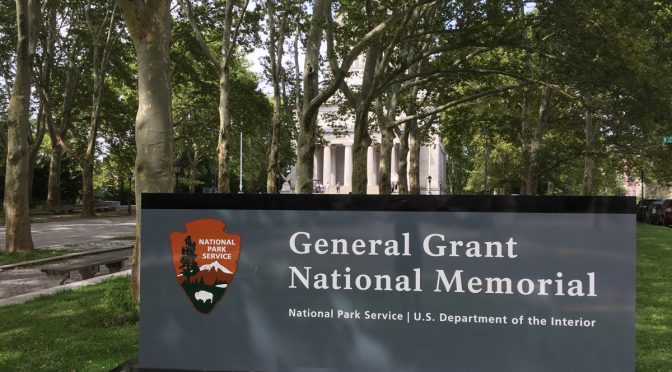
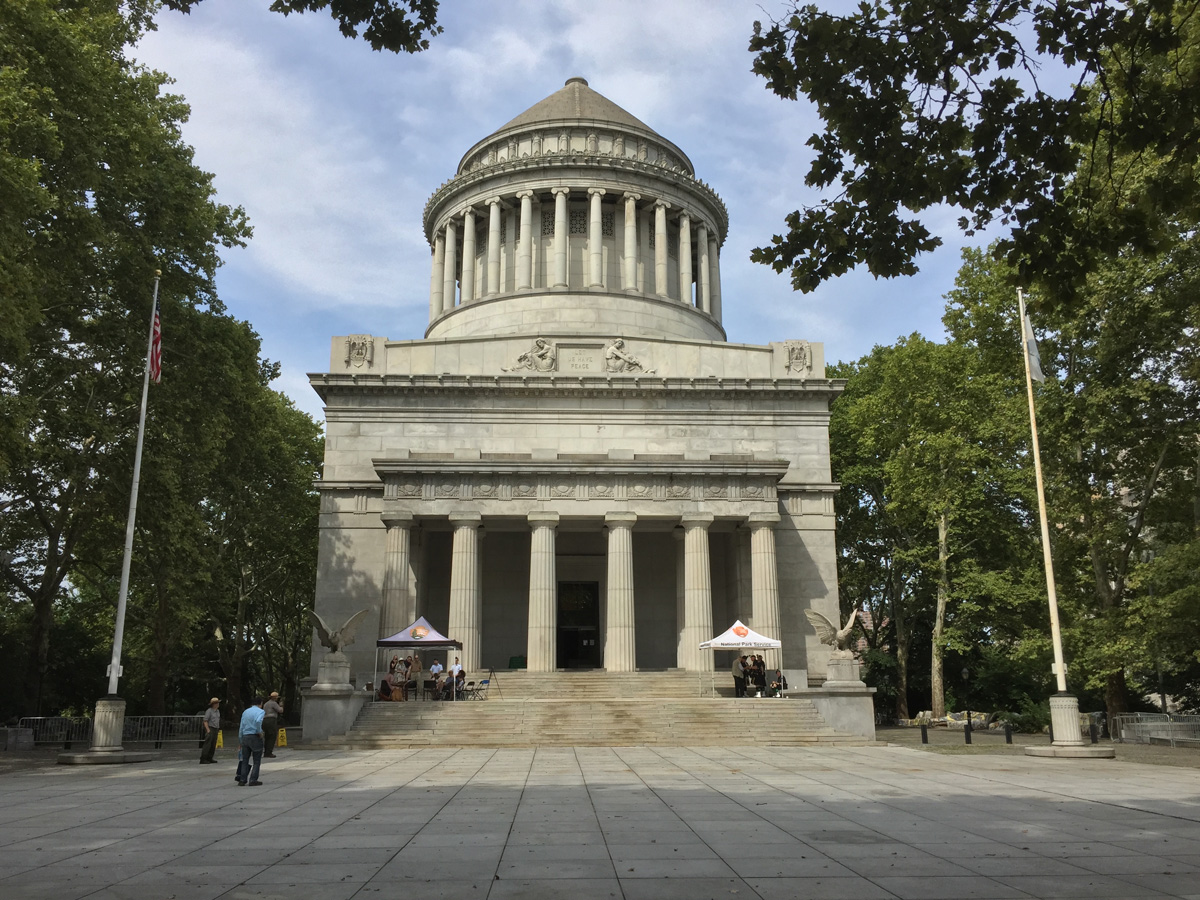
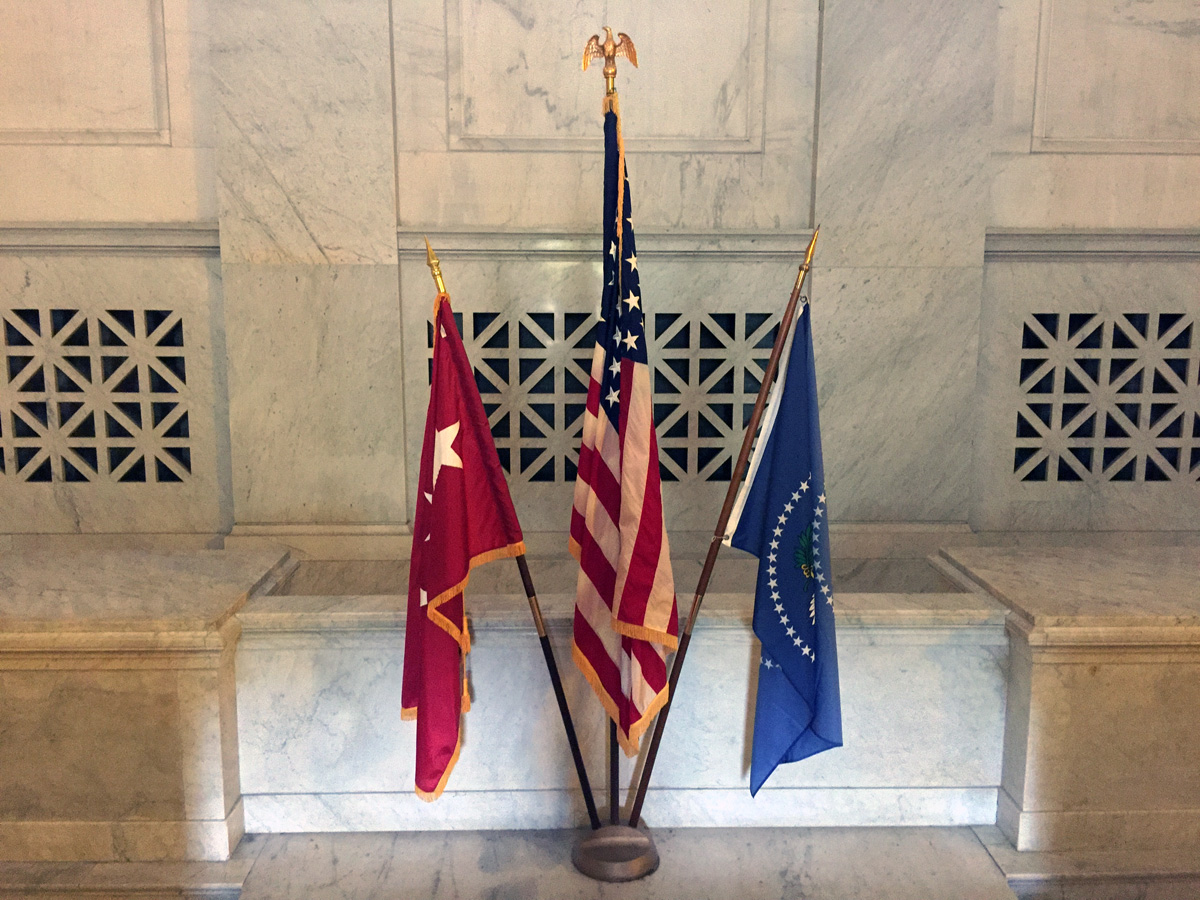
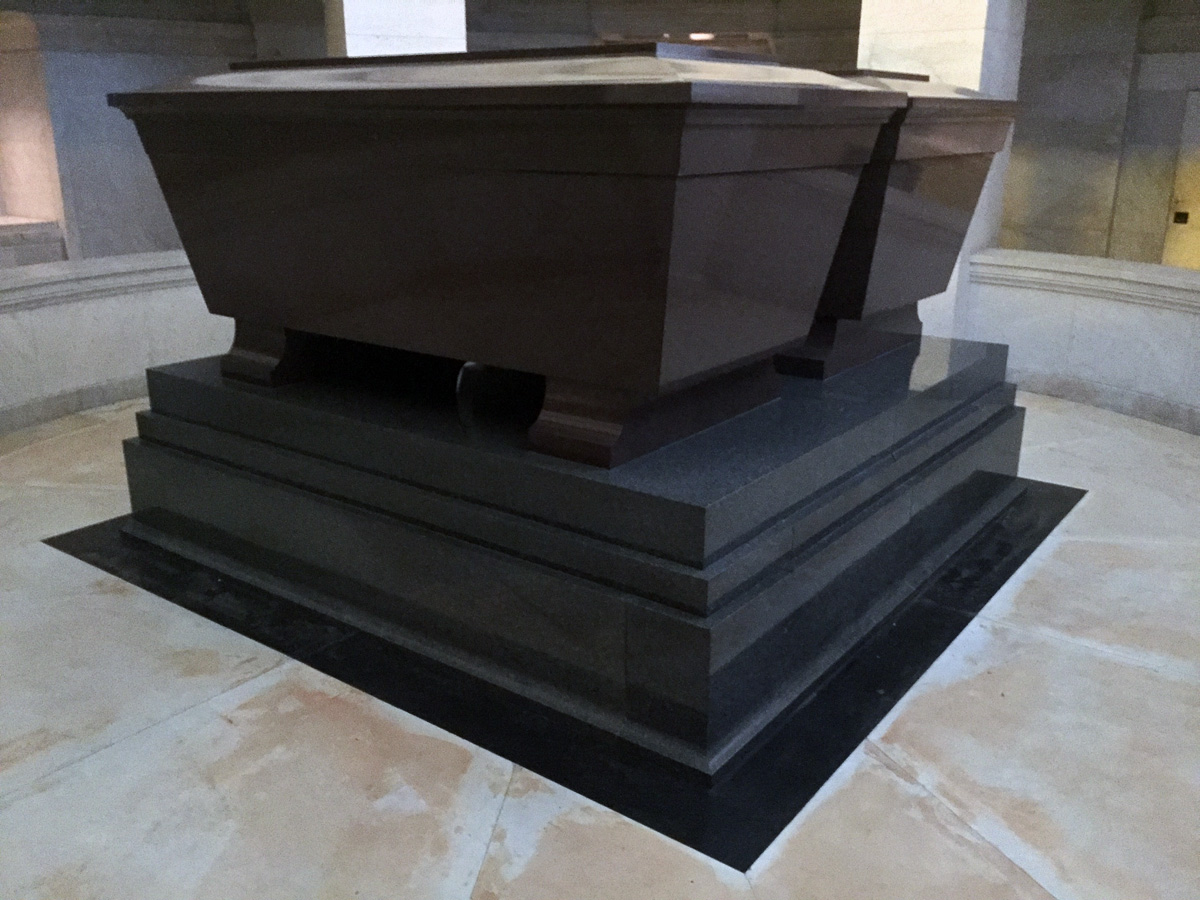
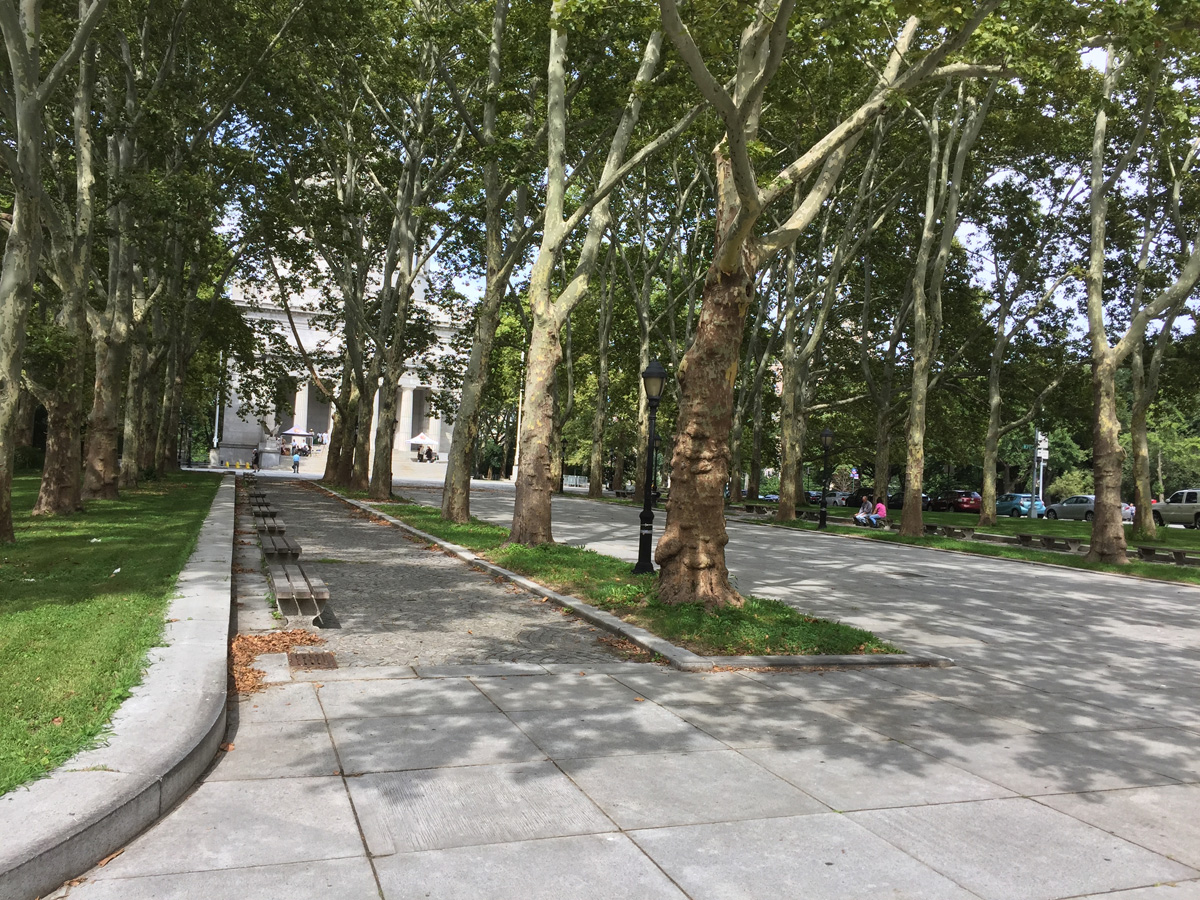
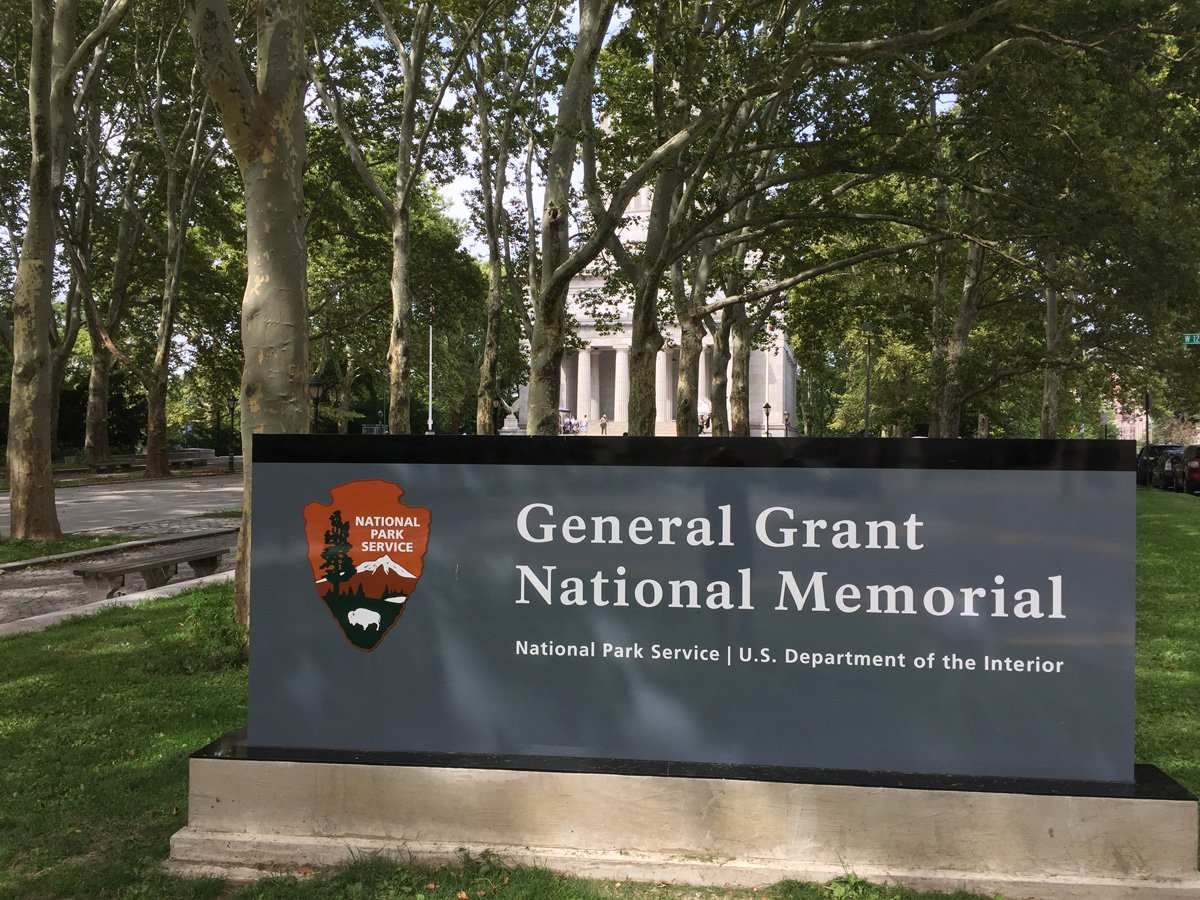
Today I visited the General Grant National Memorial, also known as “Grant’s Tomb.” It’s a grand mausoleum, where Grant and his wife are laid to rest. It’s located on the Upper West Side between Riverside Church and Riverside Park, at 122nd street. It’s operated by the National Park Service. Although it’s right on the bicycle route I took dozens of times over the years, today was only the second time I visited.
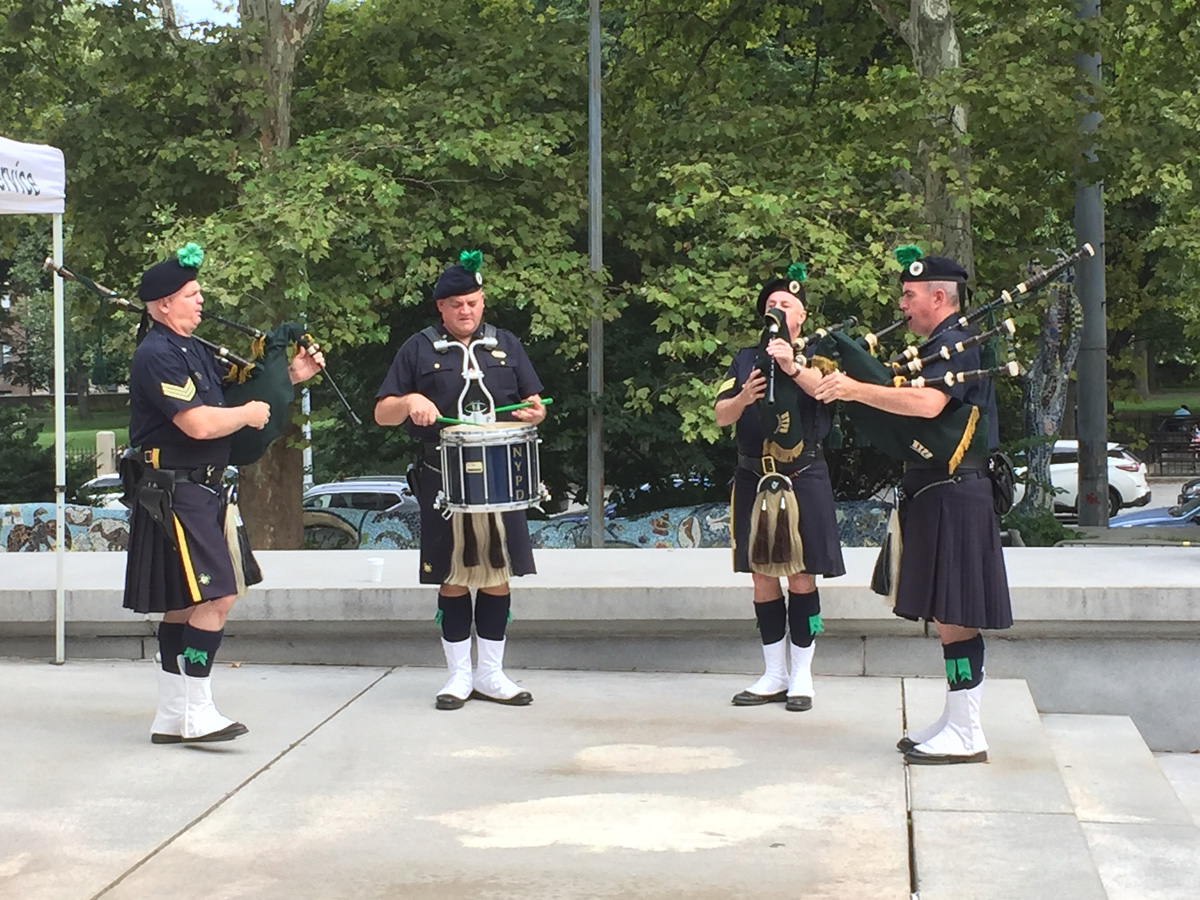
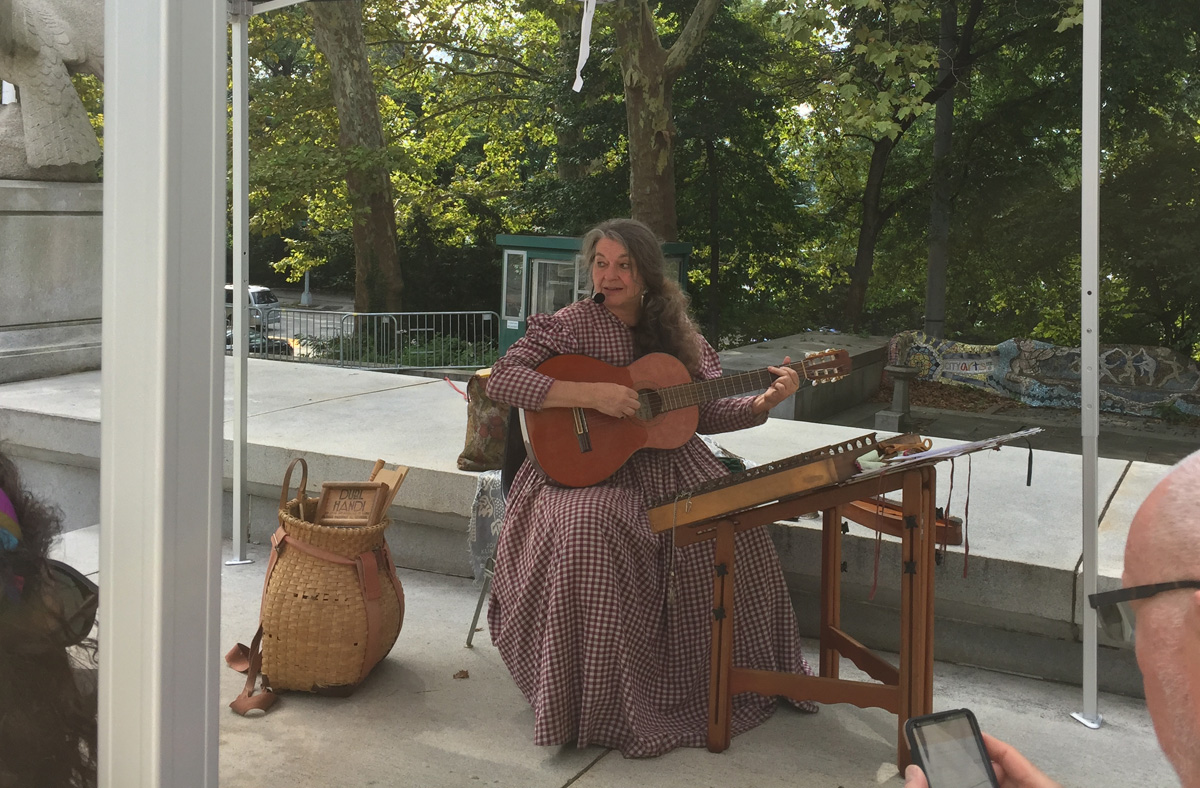
Coincidentally, my visit today corresponded with the 102nd birthday of the National Park Service, and in honor of the occasion there were bagpipers and an outdoor performance of Civil War tunes by Linda Russell. There’s a visitors center across the street and down the stairs, with exhibits, an excellent 20-minute film, a gift shop and restrooms. The park rangers are friendly and knowledgeable.
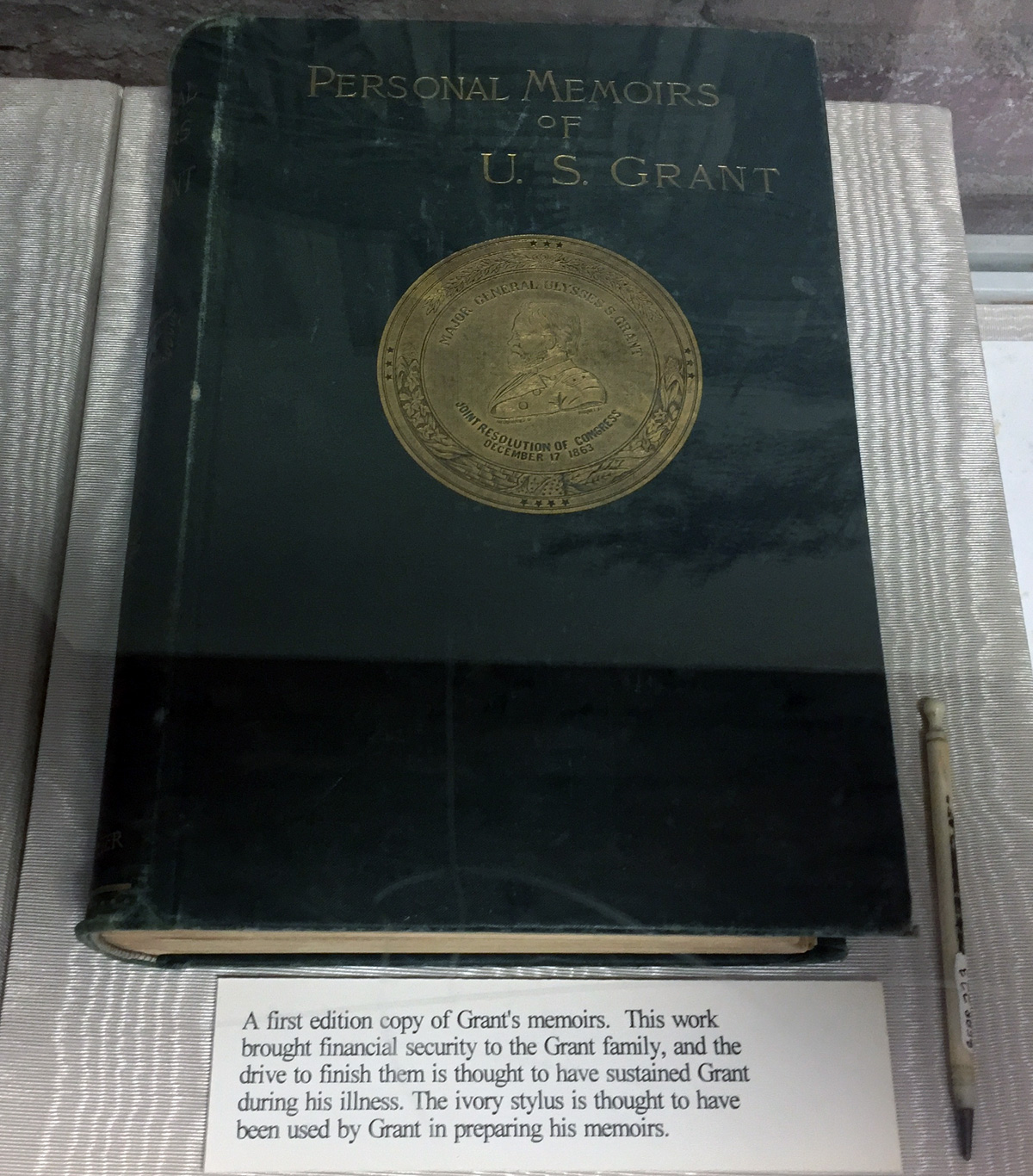
I was especially moved by my visit today, having recently completed a biography of Grant.
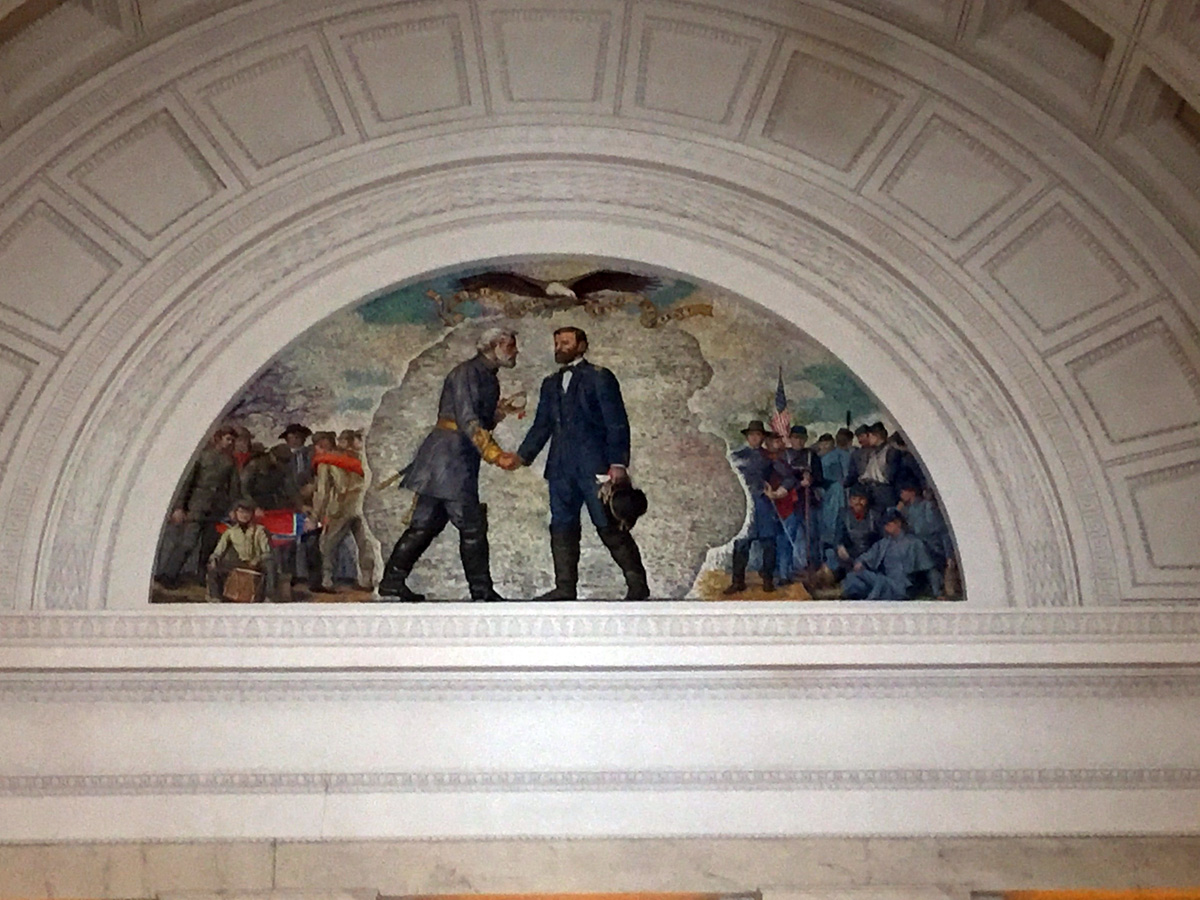
Here are some pictures from my visit — click to make them bigger:
There were 11 articles of impeachment against Andrew Johnson, our nation’s 17th President, who went on trial in the Senate back in 1868. Articles 1 through 9 dealt with the Tenure of Office Act. Article 10 dealt with speeches Johnson had given in which he was accused of bringing disgrace upon Congress, and Article 11 was a “catch-all” that incorporated allegations from all the other articles.
Andrew Johnson was a Democrat who became president in April 1865, after President Abraham Lincoln, a Republican, was assassinated just one month into his second term and just five days after Lee’s surrender to Grant that effectively ended the Civil War. Andrew Johnson was not vice president during Lincoln’s first term. Hannibal Hamlin was. But leading up to the 1864 presidential election, the Republicans decided to dump Hamlin from the ticket in favor of Andrew Johnson, who was a Senator from Tennessee. Andrew Johnson had stood out from all the other Southern Democrats because he had stayed loyal to the Union during the war. The goal therefore was to have a “national unity” ticket. But Andrew Johnson did not bring unity to the country. Just the opposite. At the inauguration in March 1865, Lincoln delivered a beautiful address calling for our nation to heal. But Andrew Johnson appeared to be drunk. He was disrespectful, and he insulted cabinet members and embarrassed himself.
Andrew Johnson was also a racist to his core. He infuriated the Republican-dominated Congress by acting on his own rather than through the legislative process on Reconstruction. He wanted to welcome the rebel states back quickly, and he wanted to empower the former Confederates to continue their cruel oppression of those whom they had enslaved. He vetoed legislation passed by Congress, but most of his vetoes were overridden. Congress also passed, by overriding yet another veto, the Tenure of Office Act, which was the legal noose with which they intended to hang Andrew Johnson. The law stated that the president needed Senate approval to fire a cabinet secretary. Congress accused Andrew Johnson of violating the law when he tried to remove Edwin Stanton as secretary of war. Gotcha! It was a dumb law that was later repealed, but it formed the basis for what would become the impeachment of Andrew Johnson.
From the start, the trial itself turned into a bit of a circus. The Republicans were disorganized, and their legal case was ill conceived. The Democrats, meanwhile, used all manner of crazy tricks to delay and obstruct the proceedings. It got really ugly. They argued that Salmon P. Chase, Chief Justice of the United States, who presided over the trial, should not be allowed to make judicial rulings. And when witnesses were finally called, the Democrats objected to everything and the result was that after each question, the entire Senate had to vote up or down on whether or not a witness could answer. This made everything take forever. Opening and closing arguments also took forever. In the early days of the trial the galleries were packed with visitors. But the speeches were so long-winded that people quickly got bored.
The Senate voted on Article 11 first. After Johnson was acquitted by a single vote, the House managers, the prosecutors of the trial, called for adjournment to re-strategize. After a break that lasted 10 days, the Senate voted next on Articles 2 and then 3, with the same results. The House managers then abandoned their effort altogether. The Senate never voted on Article 1, or on Articles 4 through 10.
Later that year, Ulysses S. Grant was elected our nation’s 18th president.
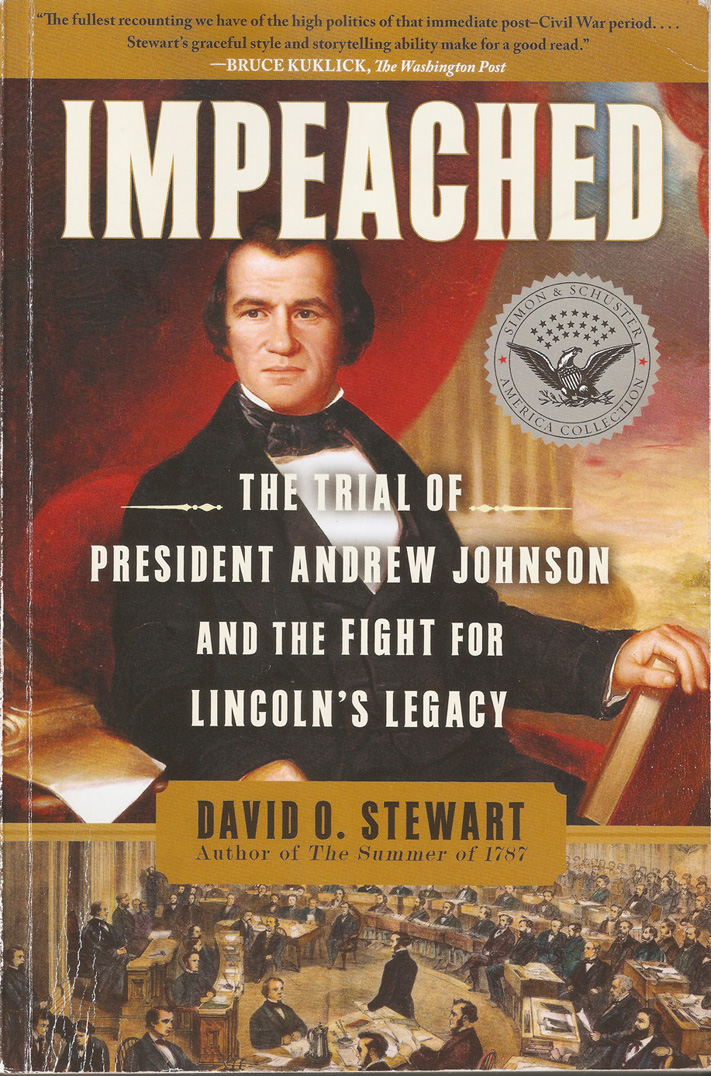
“Impeached: The Trial of President Andrew Johnson and the Fight for Lincoln’s Legacy,” by David O. Stewart
All this is described in great detail in “Impeached: The Trial of President Andrew Johnson and the Fight for Lincoln’s Legacy,” a book by David O. Stewart. This is one of many books on the impeachment of Johnson. Other books cover the impeachment proceedings against Richard Nixon and Bill Clinton, and many other books cover the impeachment cases against all three. I really liked Stewart’s book on Johnson’s impeachment. I found it to be comprehensive, and even a bit suspenseful. The author shows that the trial was both a judicial proceeding and a political exercise. He also explains that impeachment is rooted in British law and had been included in the U.S. Constitution as a stopgap measure against tyrannical rule. (Note: At the time our founding fathers wrote the Constitution, there were no political parties!) I think the author of this book did a good job of placing the impeachment into the context of the times. Our country had never been so divided, and the whole matter was tragic. A quote from the book: “Andrew Johnson was an unfortunate president, an angry and obstinate hater at a time when the nation needed a healer. Those who opposed him were equally intemperate in word and deed. It was an intemperate time.”
Here are a few more notes on the impeachment of Andrew Johnson:
There was no Vice President at this time, so had Andrew Johnson been convicted in the Senate and removed from office, Benjamin Wade of Ohio, as President Pro Tem of the Senate, would have become president. In the time leading up to and during the trial, those seeking government jobs inundated Wade with requests.
The author makes a strong case that many of the Senators who voted to acquit had been bribed.
The two Senators from Michigan voted to convict.
Republicans from the House led by Thaddeus Stevens and Benjamin Butler acted as prosecutors. Stevens was an elderly, fire-breathing, anti-slavery “radical.”
This had been the third attempt to impeach Andrew Johnson. There was also a fourth attempt, which went nowhere.
Before Johnson, the only other president to face the possibility of impeachment had been John Tyler. It would not happen again until Nixon, who resigned before a House vote on impeachment. Clinton was also impeached but was acquitted in his Senate trial, which was presided over by Chief Justice William Rehnquist. Clinton faced two articles of impeachment, for lying to a grand jury and for obstruction of justice.
Impeachment might happen again. In my view, having read about the trial of Andrew Johnson and how that all unfolded, getting to two-thirds (67 votes) in the Senate to oust the current president seems far from likely.
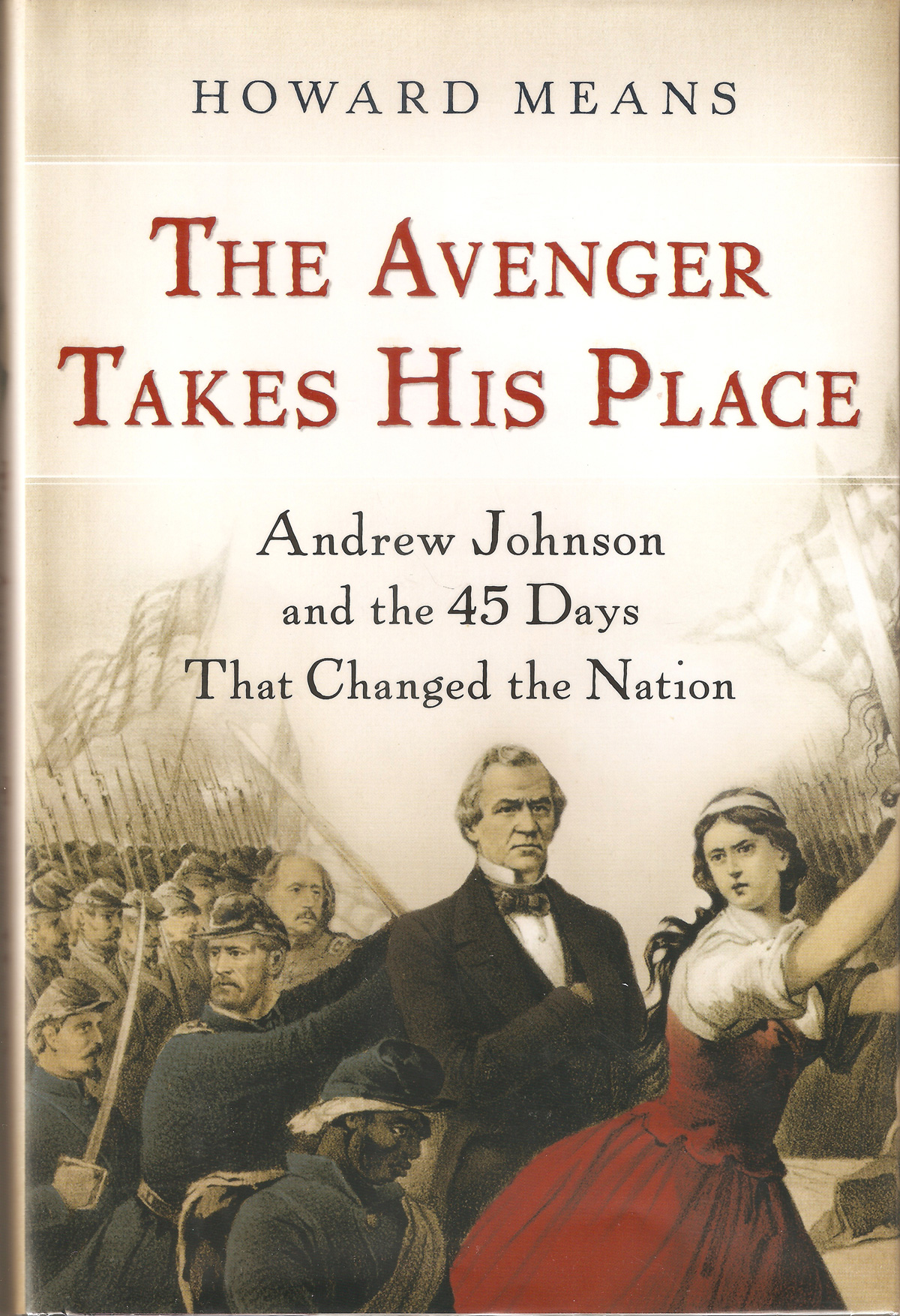
If I’m going to cry while reading a presidential biography, that usually happens when I get to the end. This book, by Howard Means, brought tears to my eyes at the beginning. It opens with a vivid, minute-by-minute description of the events of April 14 and 15, 1865. The assassination of Abraham Lincoln by the vile racist John Wilkes Booth was part of a conspiracy, with Booth as the ringleader, in which Vice President Andrew Johnson, Secretary of State William H. Seward, and General Ulysses S. Grant were all to be killed on the same night.
Lee had surrendered to Grant at Appomattox just days earlier, on April 9, effectively ending the Civil War, but the conspirators had somehow hoped that decapitating the leadership of the U.S government would throw everything into chaos, thus enabling the South to reignite the war. It was a far-fetched idea, which did not work out as planned and had disastrous consequences for everyone.
The Lincolns had invited Grant and his wife to accompany them to Ford’s Theater that fateful night, and their attendance together had even been published in newspapers. But the Grants declined the invitation at the last minute and departed by train on a family trip to New Jersey. Booth was a well-known actor who was able to gain access to the theater. He also knew the exact moments during “Our American Cousin” when the audience would laugh, thus helping him sneak into the presidential box to fire the fatal bullet. Meanwhile George Atzerodt, the guy who was supposed to kill Johnson at his room at Kirkwood House, did not show up. He spent time that night on a barstool and either got drunk and forgot, or simply chickened out. The author speculates that had Atzerodt found the courage to attack the belligerent Johnson that night, the confrontation would not have ended well for the attempted assassin.
Lewis Powell, however, did in fact show up to kill Seward, who had recently been in a carriage accident and was recuperating at home in bed. Powell showed up at the house and told family members that he was delivering medicine. When Seward’s son Frederick refused to let him upstairs, Powell pistol whipped him and stormed into the Secretary of State’s room. His gun had jammed, so he pulled a knife and stabbed Seward, in a grisly attack with blood everywhere, before fleeing on horseback. By some miracle, Seward survived the assassination attempt.
All this takes place in the first (and best) chapter of “The Avenger Takes His Place: Andrew Johnson and the 45 Days That Changed the Nation.” The title is taken from a line in a poem by Herman Melville, written in that era, which evokes the feelings many had at the time. Despite the “malice toward none” and “charity for all” that Lincoln had promised in his second inaugural, many wanted to see the South punished after the war. These sentiments were very real, as the author of “The Avenger” describes, by citing personal letters written at the time, quotes from newspaper editorials — and even descriptions of what preachers were saying to congregants in their sermons in churches.
While this book was definitely insightful, especially in describing the mood of the country at the time of Lincoln’s assassination and its aftermath, I still feel I could learn more about the 17th president — especially his dealings with Congress and his impeachment trial in the Senate. This book by Means is the second one I have read about Andrew Johnson. The other was by Annette Gordon-Reed. Both Means and Gordon-Reed make frequent references to an earlier biography, by Hans L. Trefousse, a copy of which I recently found at The Strand bookstore here in NYC. But I subsequently moved on to Ronald C. White’s excellent biography of Grant (with yet another book review coming very soon), and I am now taking a detour by reading the biography of yet another famous general. So I will return to Andrew Johnson at another time.
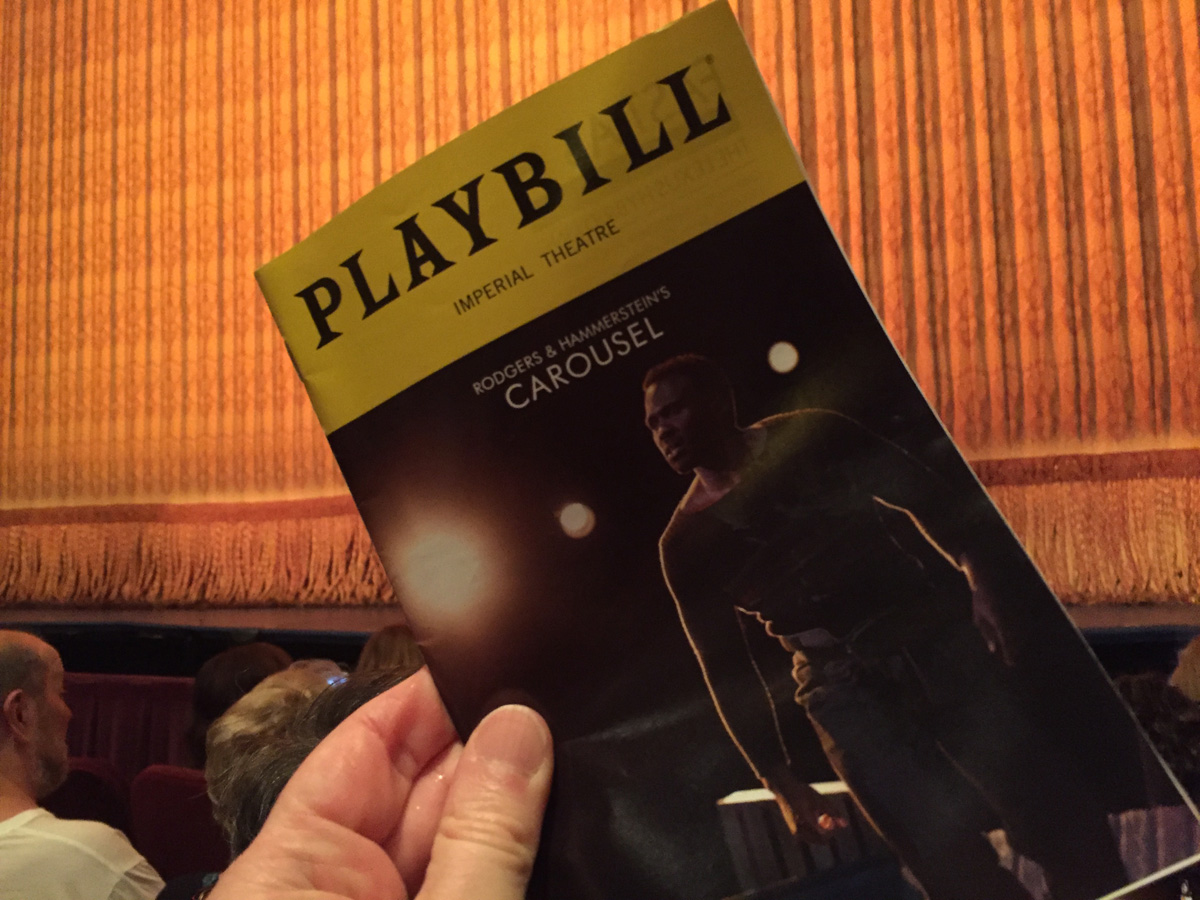
This was just fantastic. Renee Fleming of opera fame is in it. Joshua Henry was spectacular as Billy. So was Lindsay Mendez as Carrie. My favorite was Amar Ramasar as Jigger. (He was oh-my-god hot!) This was really well done. Great singing, great dancing. My favorite number was Blow High Blow Low a Whaling We Will Go.
The reason I live in NYC is to experience evenings like this.
The effort to impeach him failed. More on that in a moment.
Andrew Johnson was a Democratic senator from Tennessee when the Southern states moved to secede in 1861. He delivered a fiery pro-Union speech on the floor of the Senate, speaking over the course of two days. His words were widely published in newspapers, and he became quite popular among the Unionists in the North. In the South he was villianized. Tennessee seceded with the other Southern states, but there were strong pockets of pro-Union resistance there, especially in the eastern part of the state. When the Union achieved battlefield victories in Tennessee, Lincoln appointed Andrew Johnson military governor.
By 1864, the Civil War was entering its fourth year. The death toll was continuing to rise and there was no end in sight. Many were growing tired of the conflict, and it was looking like Lincoln was going to be defeated for re-election by George B. McClellan, the general he had fired for delaying too much. It was under these circumstances that Hannibal Hamlin, Lincoln’s vice president during his first term, a fellow Republican from Maine, was dumped from the ticket and replaced by Andrew Johnson. The pro-Union southern Democrat. They ran on the “National Union Party.” Later that year, after General Ulysses S. Grant won important victories in Virginia and General William Tecumseh Sherman took Atlanta, the tide turned once and for all in the Union’s favor and Lincoln was easily re-elected, with Andrew Johnson as his new vice president.
In his second inaugural in March 1865, Lincoln was magnanimous, offering some of the most eloquent words ever spoken by an American. But moments earlier, the incoming vice president appeared to be drunk, and he gave an incoherent, rambling speech in which he embarrassed himself and mortified everyone present. To everyone’s shock and horror, Lincoln was assassinated a month later, and Andrew Johnson became the 17th president of the United States. Unfortunately for the 3 million newly freed people of color, Andrew Johnson was a racist. Even by 19th Century standards, he was a racist.
Lee had just surrendered to Grant, meaning it was time to figure out how to put the country back together again. Congress was ready to work with the new president, but Andrew Johnson wanted to do it his own way. He was stubborn and did not want to listen or collaborate. Earlier, Andrew Johnson had led everyone to believe that he was going to be harsh on the secessionists and punish them. But he ended up issuing broad amnesty and offering thousands of pardons. Meanwhile he offered nothing, literally nothing, for the formerly enslaved, who had literally nothing and were desperately in need of some assistance, an education, and most importantly some land to farm. Congress passed a Freedmen’s Bureau Bill and a Civil Rights Bill, which Andrew Johnson vetoed. His vetoes were then overridden by Congress. This became a pattern. Congress kept passing laws, Andrew Johnson kept vetoing, and Congress kept overriding.
It got really nasty between Congress and the president. So nasty that Andrew Johnson became the first American president to face an impeachment trial in the Senate. Congress had passed a law called the Tenure of Office Act, requiring the president to get Senate approval before firing any cabinet secretaries. Andrew Johnson challenged this law by firing Secretary of War Edwin Stanton, which set up a huge battle of wills and all sorts of drama. There were 11 articles of impeachment, nine of which had to do with the Tenure of Office Act.
In the end Andrew Johnson survived by a single vote. But it was 1868 already, and his presidency was almost over anyway.
Here are a few more facts about Andrew Johnson:
Born in a log cabin!
He came from poverty. He looked at the Civil War as a class struggle between rich industrialists in the north aligned with plantation owners in the South, versus the common working (white) man.
He married Eliza McCardle, and they had several children. Eliza was frequently sick and almost never appeared at White House events as “first lady.” One of Johnson’s daughters served as hostess.
They were married by Mordecai Lincoln, a cousin of Abraham Lincoln!
He was a tailor. He was sometimes referred to as a “mudsill,” a derogatory term used against him because he once had a shop with a dirt floor.
He entered politics as an alderman and then mayor of Greenville, Tennessee. He subsequently was elected to the Tennessee state legislature, then to the U.S. House of Representatives, where he served four terms. When he was redistricted out of office, he ran for governor of Tennessee and won. He was elected to the United States Senate in 1857. In those days Senators were chosen by state legislatures, not by direct popular vote. When Tennessee seceded in 1861, Andrew Johnson remained in the Senate.
After his presidency he ran for the United States Senate from Tennessee and lost. Then he ran for the House and lost. Then he ran again for the Senate and this time he won. Six months later he died.
One more note: During the Andrew Johnson presidency, Secretary of State William H. Seward (who had served in the office under Lincoln and stayed on) purchased Alaska from Russia. So in addition to botching Reconstruction we can also thank Andrew Johnson for Sarah Palin.
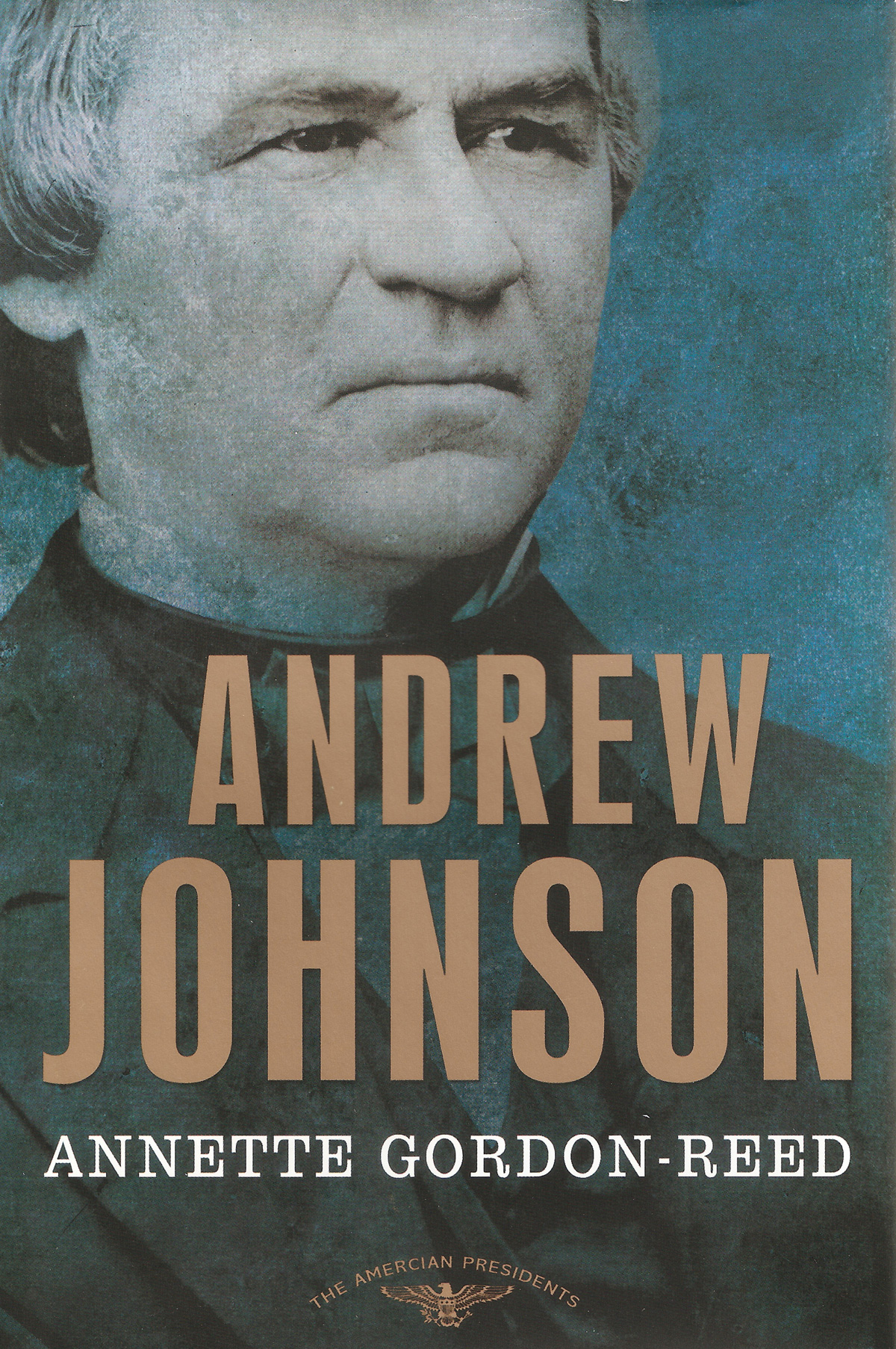
This biography, “Andrew Johnson,” by Annette Gordon-Reed, part of the American Presidents Series, was clear and concise but, for me, just a bit too short. The books in the American Presidents Series are generally quite good, but they are limited to 200 pages or less. For such a consequential president I subsequently decided to add another volume to my reading list. But that will be a book report for another day.